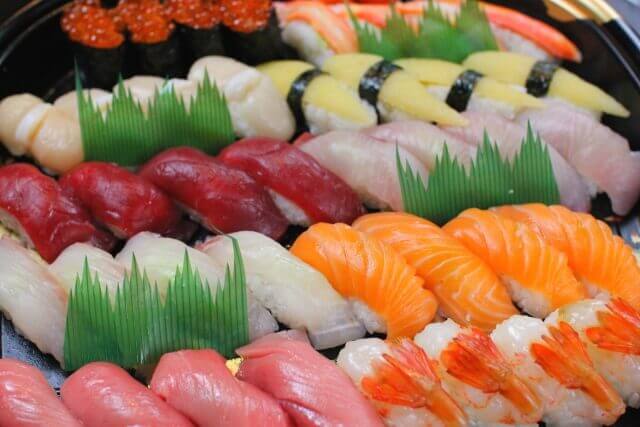
Nigiri sushi is generally made with raw seafood. It can be said that the seafood starts to go bad as soon as it is put on warm rice. Of course, at the stage of preparation, there are procedures being taken to reduce the causative micro-organisms of food poisoning. Out of all food that is commonly eaten raw, sushi is considered to have the least micro-organisms that cause food poisoning.
For example, Vibrio parahaemolyticus, a typically known bacteria that causes food poisoning, attaches to seafood, and if the conditions, such as temperature, are just right, it proliferates at double the speed of other food poisoning bacteria. When you are eating at a sushi restaurant, bacteria growth is being suppressed. However, if you take sushi home to eat it, depending on conditions bacteria could proliferate.
This is why as a basic rule, you cannot take sushi home from a sushi restaurant.
So then, what is the difference between sushi sold at the grocery store and prepared at sushi restaurants?
There are obvious differences between sushi made by sushi chefs and take-out sushi, as explained below.
Take-out sushi is lined up at the store, selected by the customer, then eaten at home, which takes time. Therefore, a higher amount of salt seasoning is used compared to Nigiri sushi restaurants, in order to delay the degradation in quality. Sushi made by sushi chefs at restaurants has a salt content of about 1% in the sushi rice, while that of take-out sushi has about a 2% content.
Next, with a pH of around 4.5%, it is difficult for bacteria such as Salmonella, Staphylococcus aureus, E. coli bacterium bacteria and Vibrio parahaemolyticus to proliferate, and there are experimental results that show they die out. In an experiment that measured the pH of sushi rice in take-out sushi, it was usually measured at 6%. Nigiri sushi made at a restaurant is often around 6.2%, so this acidity is put to good use in the sushi rice and could be delaying degradation.
Furthermore, although it may not be a pleasant topic of discussion, preventing spoiling and deterioration in food caused by micro-organism is done by adding preservatives to improve the shelf life. For example, classic preservatives such as benzoic acid, Sorbic acid and PH adjusters are used all over the world. There is an obligation to list these on the product label when used.
Now let’s get into the main topic.
This all being said, sometimes when you buy take-out, there are leftovers. There is no question that it is better to promptly discard them. But you may think that you can just eat it the next day, right?
You can. And it will taste the same as when you bought it.
First of all, there is something important to remember; not all toppings are equal in take-out. Unfortunately, things that require freshness like shellfish, squid, mackerel and sardines, cannot be saved. These must be consumed on the day they are bought.
Next, let’s go over how to eat your day-after sushi so that it still tastes good.
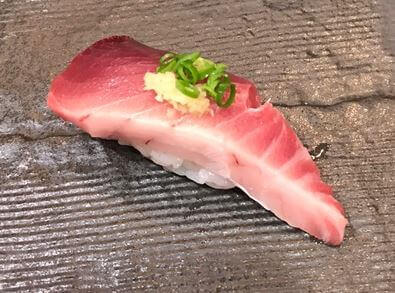
The toppings this method works for are tuna, salmon, white fish and steamed shrimp. However, the only white fish it works for are benthic fish such as flounder. As long as the meat is still transparent the next day, it’s safe. For Hamachi, which always has more than 20% body fat, which oxidizes, so avoid keeping it to the next day. Raw shrimp is out too. Steamed shrimp becomes more delicious when quickly put into sushi vinegar for storage.
The method is simple!
First, remove the Nigiri sushi topping from the rice. Next, wash that topping with running water for a few seconds and then dry well with a paper towel. Make sure you are quick in all of these steps. Finally, wrap in plastic wrap and store in the refrigerator.
Next, use a wet paper towel to wrap the sushi rice. Wrap this set in plastic and put it in the vegetable drawer if possible. If you don’t have a vegetable drawer than the normal refrigerator compartment is fine.
The next day, when you are ready to eat, heat the sushi rice in the microwave at 1000W for 10 seconds. The point is just to warm it up a little. Next, just take the topping from the refrigerator and place it on the rice. You can add some wasabi if necessary.
Incidentally, if you use this method for take-out sushi, even when consuming it on the same day, it will taste even better than just eating it right away.
The practice of sushi chefs is to put somewhat cold sushi toppings (16~19℃) or room-temperature toppings (20~23℃) on top of sushi rice that is the same temperature of the human body (37℃). We are trying to imitate this method. If you are consuming on the same day, any topping can be removed from the rice and prepared like this.
But please do not wait any longer than the next day to eat any leftovers.
Do not bend this rule. Let me warn you that the symptoms of food poisoning from shellfish and silver-backed fish are horrible. It should also go without saying that if the sushi rice has already dried out, there is no bringing it back, even with this method. Once you’ve reached that point, you just have to throw it away. Naturally, you cannot eat smelly sushi toppings.
We hope this information will be helpful.

Revision date: April 1, 2022
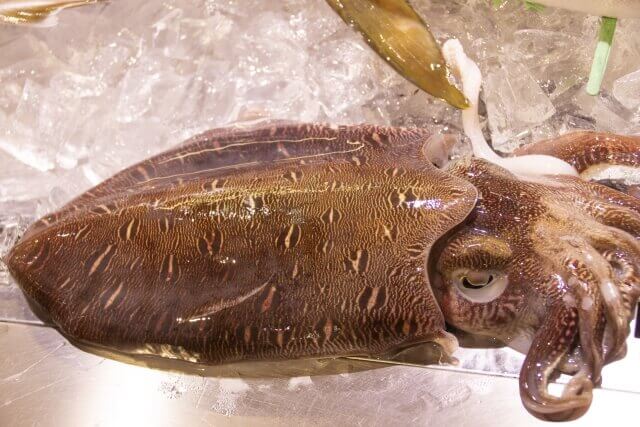 No people in the world love squid more than the Japanese. Squid ranks third in import volume behind shrimp and tuna. Squid is brought to Japan from the oceans all over the world. There are between 400 and 500 species of wild squid on Earth. Some, like the pygmy cuttlefish, are tinier than 3 millimeters while the giant squid is over 10 meters.
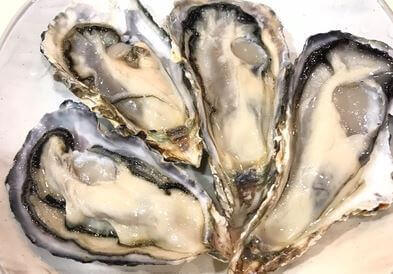 It’s won’t hurt you to eat Magaki (Japanese oyster), which has its spawning season in the summer, but in the months with no R in the name, the glycogen concentration is low, so you can’t get the full-bodied texture that you get in winter. In addition, almost all amino acids such as glutamic acid, glycine, alanine, arginine, which are important components for delicious flavor, are known to accumulate from winter through spring, and conversely, they decrease in the summer, which is the spawning season. You cannot expect the same deliciousness from oysters in summer as you can from months that contain the letter R.
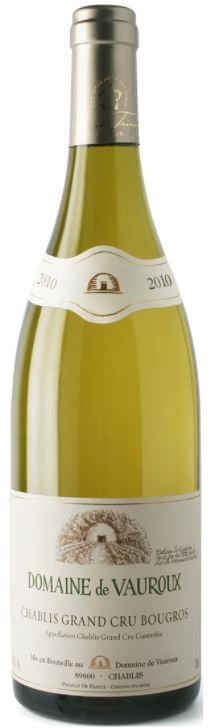 For example, every Frenchman knows that
 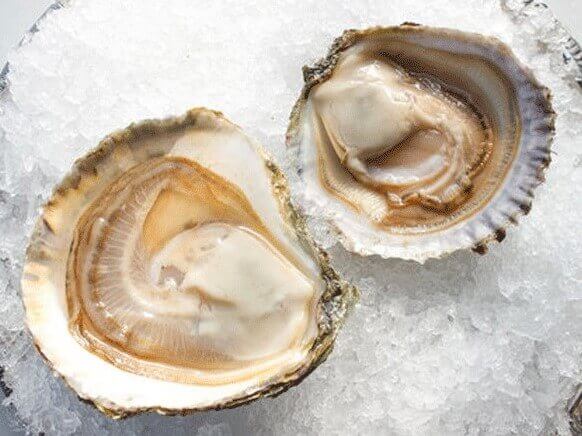 Famous for its Belon brand name, the oyster native to Europe has a flat, rounded shell. It belongs to the genus Ostrea. To be honest, Belon oysters aren’t sweet and don’t have a distinguished flavor compared to Japanese oysters, and the salty fragrance of the sea is dulled, so it can seem less flavorful.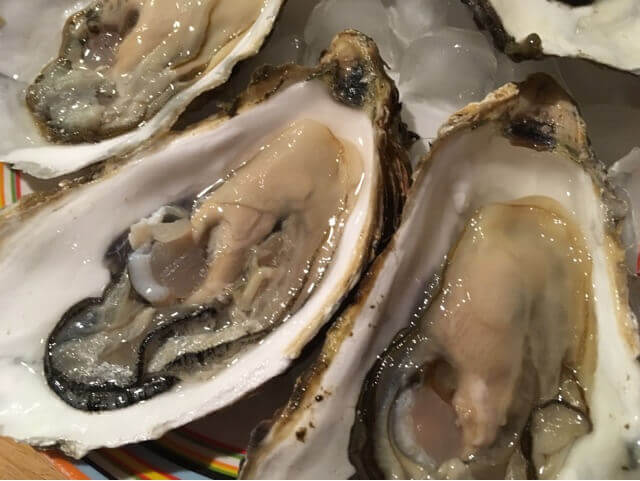
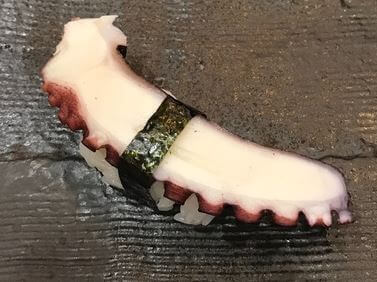 Among the many sushi toppings, Pacific bluefin tuna, and actually the Madai (Red sea bream) as well, are toppings that are difficult for an amateur to tell whether it is farmed or wild. However, there is no need to worry about that when it comes to Tako (Octopus). There are no octopus farms to be found in the world, so it is a 100% wild topping.
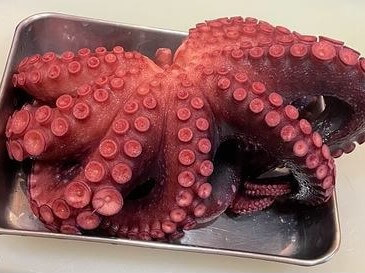 Amateurs can’t tell the difference between domestic Tako or African imports. However, there is one aspect that even an amateur can use to distinguish between the two. There is one condition for this to work, and that is that at least one of the suckers is in-tact. The suckers are scraped off for most toppings, but in cases where they are sliced by the restaurant, there are often suckers remaining. If the sucker is pure white, it is almost definitely from Africa. Meanwhile, domestic Tako suckers maintain a faint red color in the suckers, even when boiled. The reason the suckers turn white seems to be an effect of the food preservatives added during processing, but this has not been confirmed.
 Toro is an absolute at sushi restaurants and it’s only natural to aspire to such a position. That’s why there are so many sushi dish names that start with “Toro”. The most laissez-faire of these is Toro salmon. In this case the definition of Toro is ignored in an attempt to promote sales. Just as bad is Toro katsuo (pronounced “Toro-gatsuo” in Japanese).
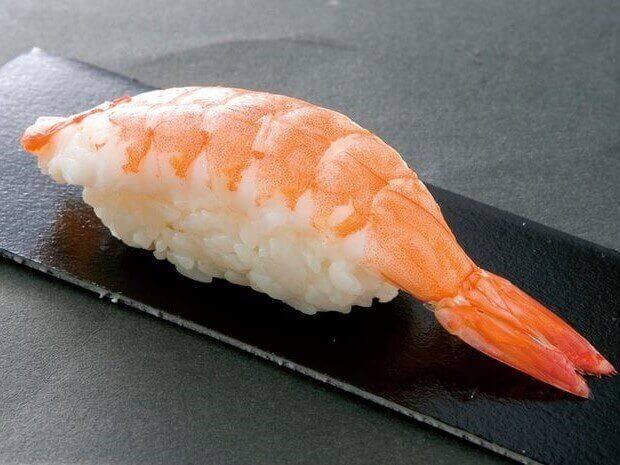 Japan leads the world in shrimp consumption by far. Most of the shrimp is imported, but it is a little known fact that shrimp is called “Meki” among importers and sushi restaurants in Japan. It is said to be a remnant from a time when much of the imported shrimp came from Mexico (pronounced “Mekishiko” in Japanese).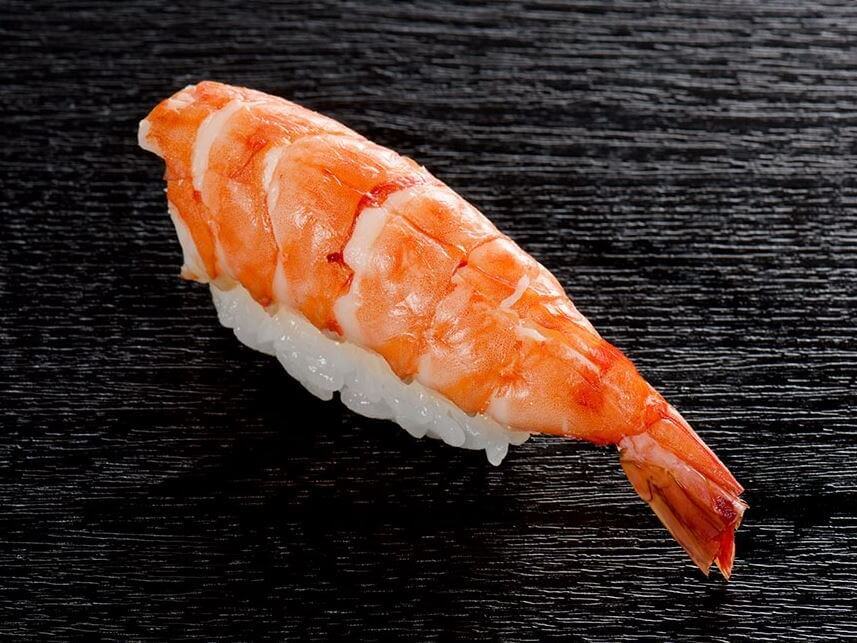
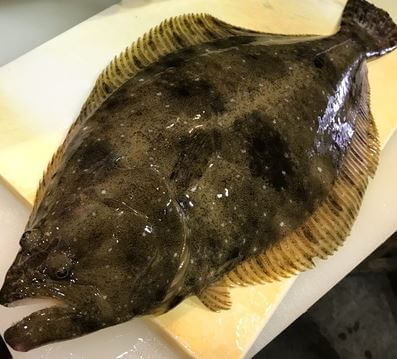 Hirame is a high-quality fish that goes for at least US $50 per kilogram. It can even exceed US $80 per kilogram, depending on the timing and the fish’s body.
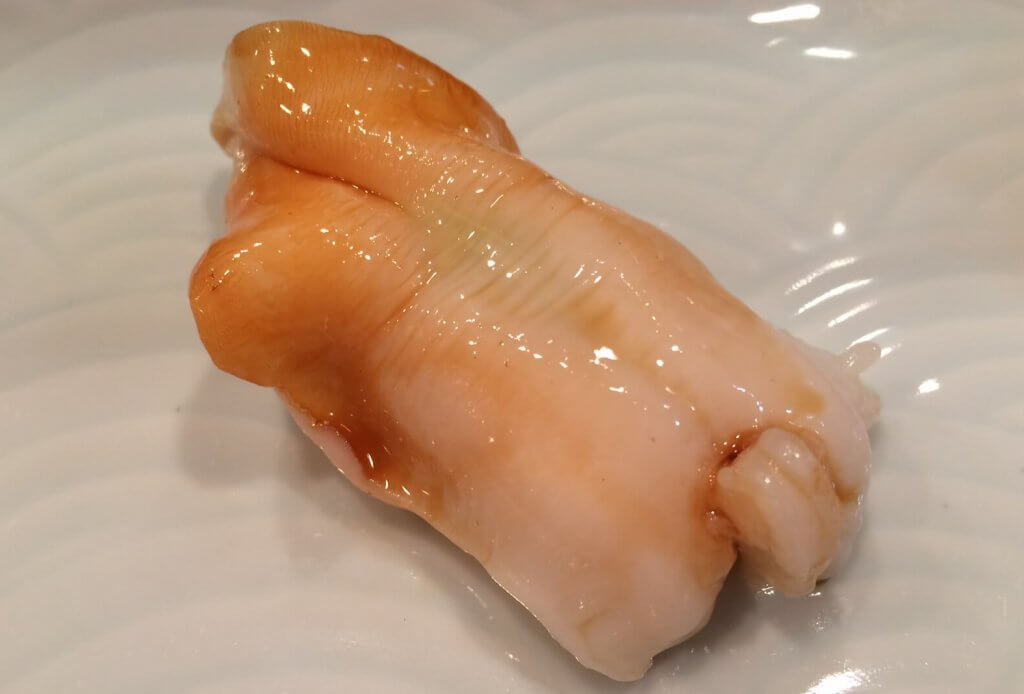 Ishigakigai is a shellfish found from Kashimanada northward, Hokkaido, from the Kuril Islands to the Aleutian Islands and even on the west coast of North America. It lives off of plankton in the shallow sandy mud bottoms of the sea at depths of about 50 meters.
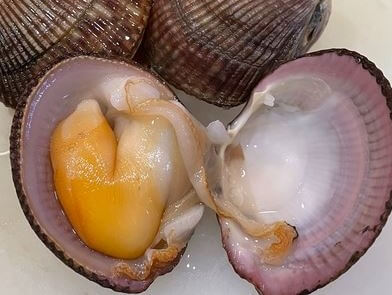 It starts to become common at the market when the Japanese rainy season ends, at the beginning of summer every year, which is around the end of the Torigai season. It then disappears from the market at the end of summer. A number of sushi restaurants start using it as a substitute for Torigai all at the same time, so Ishigakigai nigiri sushi suddenly started appearing on menus. Frankly, it is somewhat conservative as a nigiri topping but is known for the crunchy texture when biting into it. It also has strong sweetness and umami, which goes exquisitely with Shari. The sushi chef slaps the meat in his hand directly before serving to stiffen it–a way to increase the crunchy texture characteristic of shellfish. Naturally this texture is evidence of its freshness.
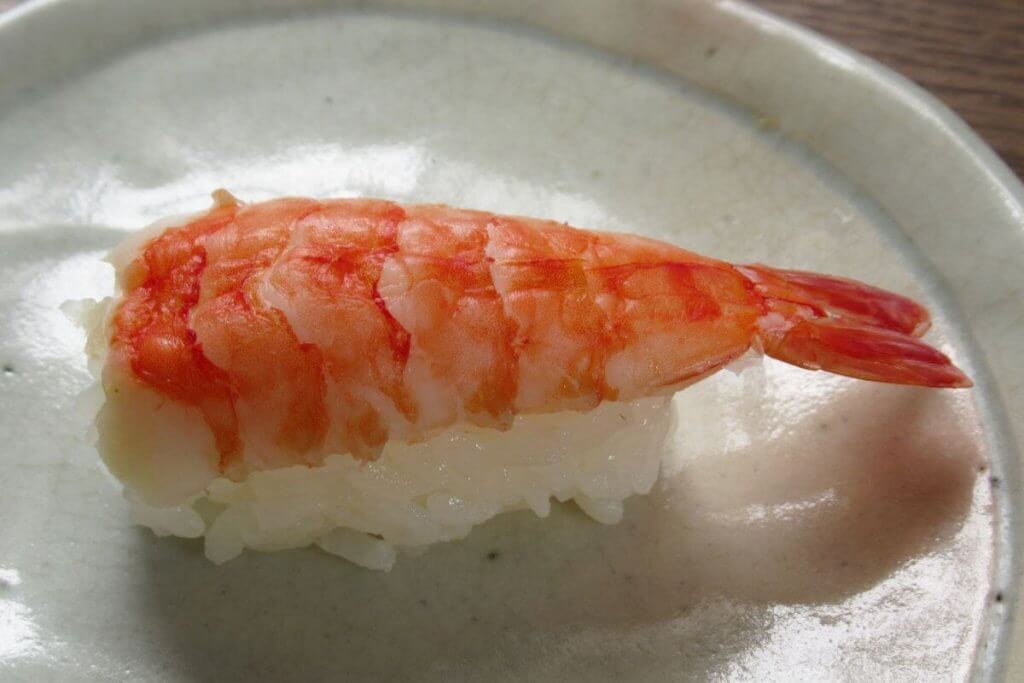 Black Tiger is in the category of the largest shrimp that is part of the Kuruma Ebi family and grows to be up to 30 cm. Black Tiger gets its name from the fact that it looks black before it is heated and has stripes like a tiger. The official name in Japan is “Ushi Ebi” but the reason is unknown. The Black Tiger is cultivated heavily in places like China, Vietnam, Indonesia, Thailand and India. It started to be imported from Taiwan in the 1980s to compensate when Japan’s shrimp consumption could no longer be covered by Kuruma Ebi. At the peak, it accounted for 40% of Japan’s shrimp imports. There is a strong impression of shrimp being imported, but small Black Tiger can actually be caught in Japan from Tokyo Bay southward.
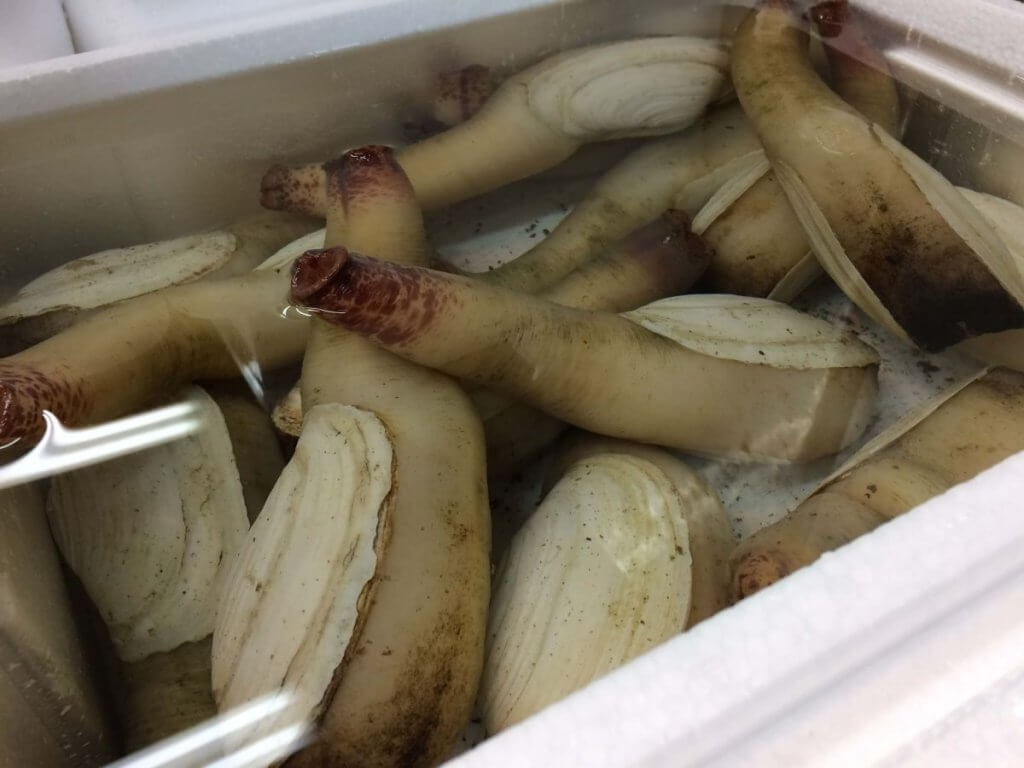 The official name of Mirugai is “Mirukui”. The part of the Mirugai that is used as a sushi topping is the siphon that bulges out from the shell. The siphon is separated from the shell and then this is cut through longways, from top to bottom. One Mirugai can only produce four pieces of sushi. It is also nearly extinct from overfishing. While it can still be caught in the Seto Inland Sea and Mikawa Bay, there are fishing limits, which means it is an ultra-high-priced sushi topping.
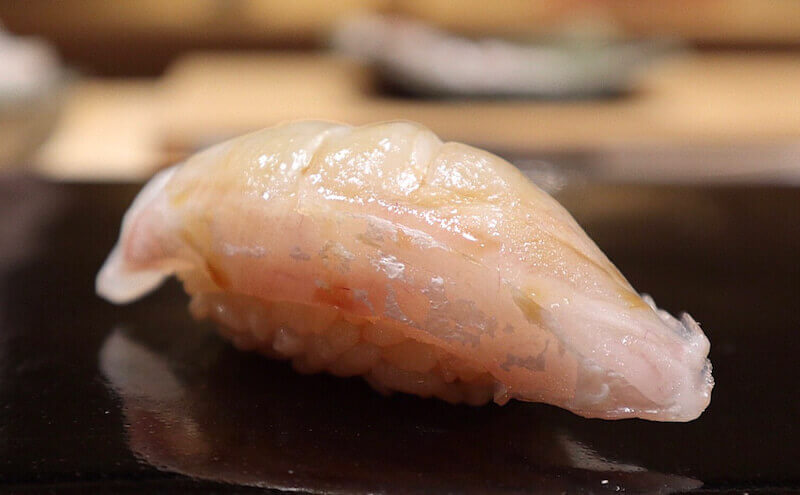 Out of the five types of Amadai that live in Japan, Aka-amadai, Shiro-amadai and Ki-amadai are the three types offered in the markets.
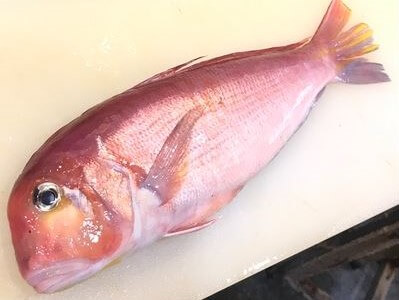 The main characteristics of Aka-amadai are its overall red body, the bright yellow color under the eyes and how part of its fin is a shiny cobalt blue color. Aka-amadai is called “
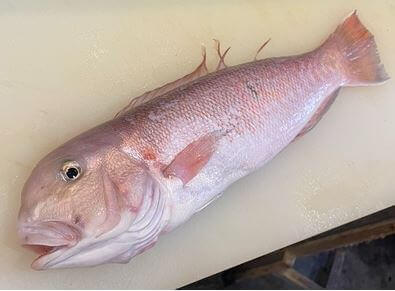 Shirakawa is considered to be the finest of the Amadai and can cost more than US $100 per kilogram. Aka-amadai costs around US $40 per kilogram. Shirakawa always ranks in the top three fish for market price. Shirakawa has more elasticity than the other two and has rich fat, making it perfect as sashimi or a sushi topping. The umami is so strong that even when served raw, the customer sometimes thinks it’s been prepared using kobujime. The fat between the meat and the skin is sweet and the skin is delicious in its own right, so it can even be eaten as sashimi with the skin left on. The famous production sites include Tsushima in Nagasaki Prefecture and Yawatahama in Ehime Prefecture. They are in season from autumn to winter. However, they say in a catch of 1,000 Amadai, you can only get one Shirakawa, so it is a rare item you won’t often see, even in a high-end sushi restaurant.
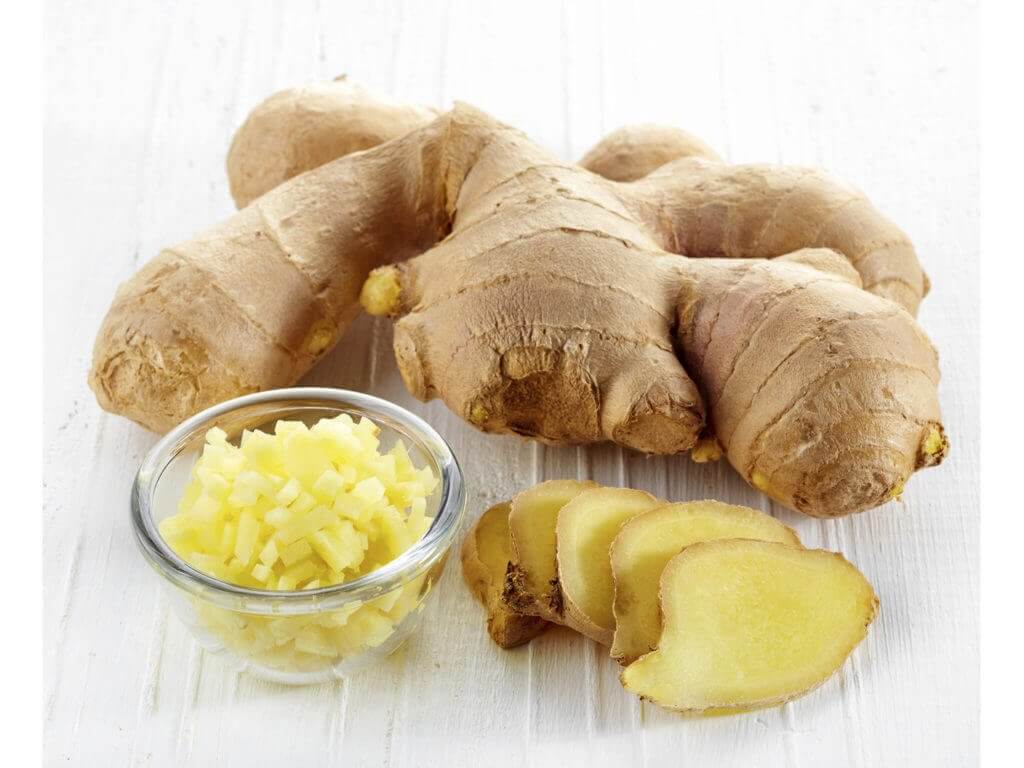 Sashimi essentials such as wasabi, ginger, karami-daikon, etc., are collectively called “Karami”. Originally Karami was a type of Tsuma. From the mid to late Edo period, Karashi (mustard) was mainly used for karami in sashimi. Eventually, due to the influence of Edomae sushi, wasabi became the norm. For sashimi such as bonito and sardines, wasabi isn’t enough to offset the peculiar aroma. In some cases, it is better to use ginger, which works on the root components of the odor. These types of fish have the best flavor once spring has passed, and interestingly enough, wasabi is least prevalent in summertime, while ginger is in peak season. Mother nature seems to know what she’s doing.
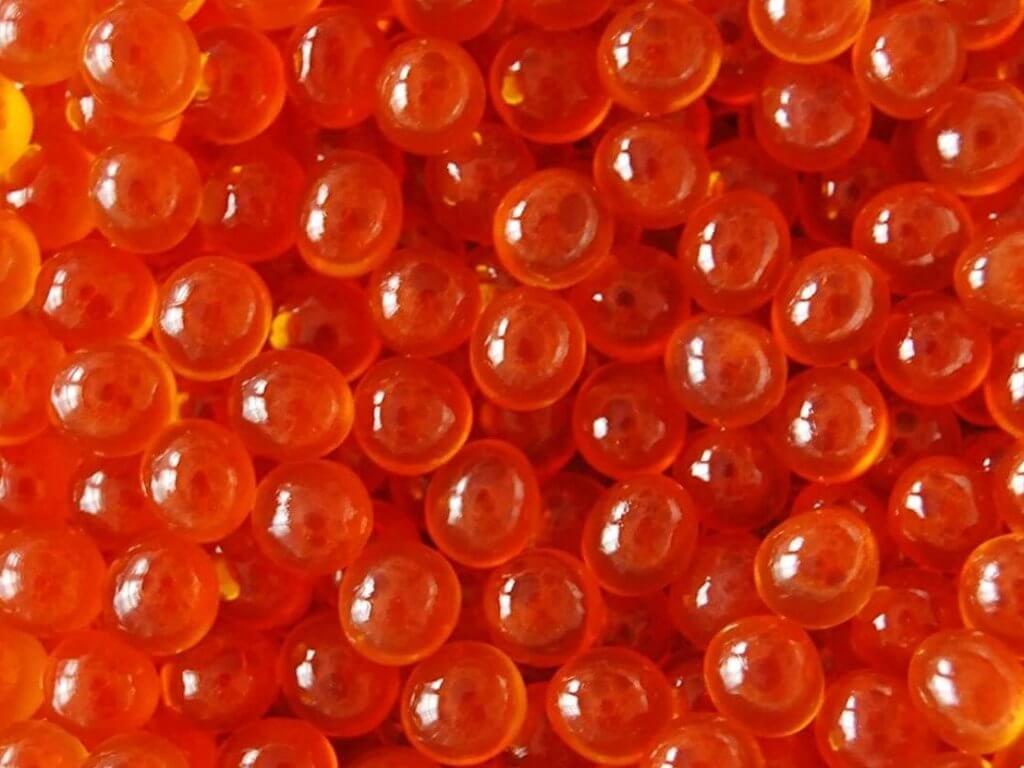 Not to belabor the point, but the following is dependent on the following. In Japanese salmon is referred to as “鮭” (sake/salmon) or “鱒” (masu/trout). The characters look different, but they are part of the same family and there aren’t clear biological categories to separate them into. Incidentally, in English the type that makes their way into the sea are called “salmon,” and those that remain in freshwater their entire lives are known as, “trout.” They are all considered to be part of the salmon family. Now, foreigners who know about Japan may imagine Japanese sake (the alcoholic beverage) when they hear the word “sake” so we spell sake/salmon as “shake”, which is close to the sound pronounced by Japanese people.