In the United States, Sea Bream is often called a Red Snapper. However, strictly speaking, this is not correct.
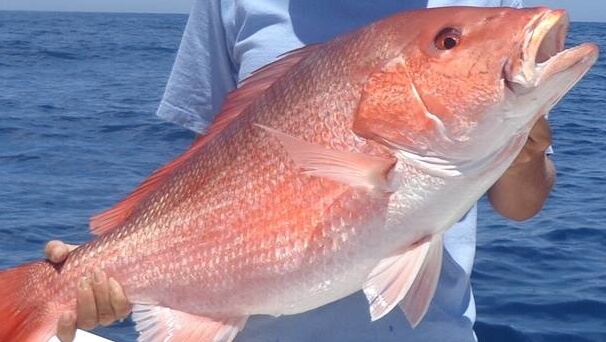 Biologically, Snapper is a generic term for all species in the snapper family (Lutjanidae). Over 100 different species of snapper inhabit tropical coastal waters. Red snapper is mainly fished in the Gulf of Mexico.
So, what is the fish that Japanese sushi restaurants call “tai”?
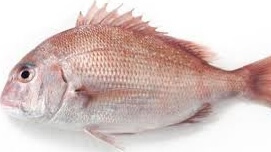 They say there are over 300 different species of fish with “tai” in the name, making up 10% of Japan’s fish. When we say “tai” in Japanese, we are referring to “madai” or red sea bream. Red sea-bream is categorized in the “madai” family (Sparidae).
Incidentally, relatives of the sea bream often served at sushi restaurants include red sea bream (madai), crimson sea bream (chidai) and yellowback sea bream (kidai). While “kinmedai” (Splendid alfonsino) and “amadai” (horsehead tilefish) have the name “tai/dai” in them, they are not part of the same family as “tai”. Splendid alfonsino is a type of deep-sea fish.
Red sea bream and red snapper look similar, but when served as sushi, their texture and flavors are entirely different. So if you come to Japan, please try and eat natural madai. There is no “zatsumi” (overpowering bitterness) and it has a slight sweetness to it. This is the taste of tai, known as the king of the white fish. Just for your own reference.
Related Contents
https://sushiuniversity.jp/visual-dictionary/?Name=Red-seabream-(Tai)
We hope this information will be helpful.

Revision date: April 28, 2020
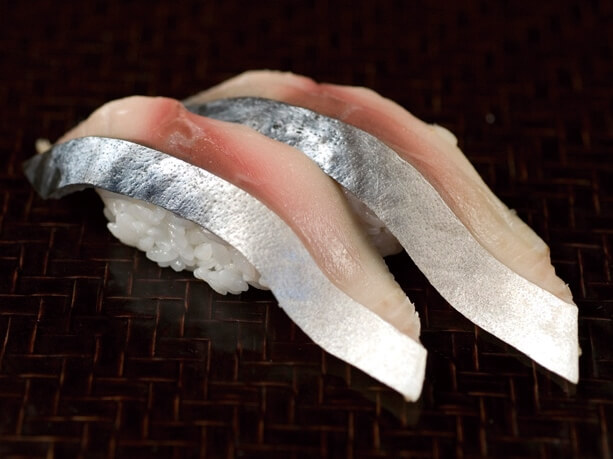 When you sit at the counter and order nigiri a la carte, they will come out in pairs.* There is nothing wrong with counting these in the regular Japanese way “ikko,” “niko.”
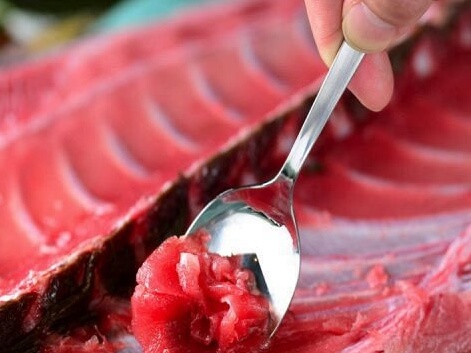
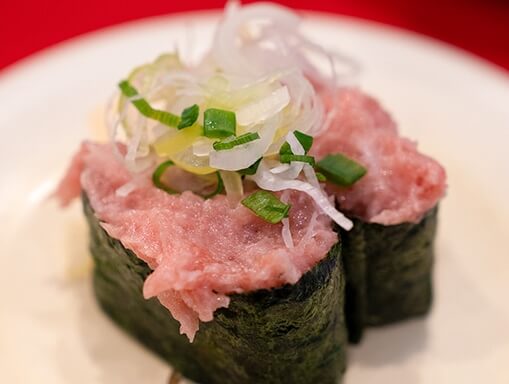 First of all, the lowest in the ranking are the offcuts of tuna that can’t be made into sashimi (mainly Yellowfin or Albacore tuna) and this is mixed with vegetable oil and minced. The type of onion used is normally green onions. You can pick this type out because it will be whitish in color. This version is normally served at conveyor belt sushi.
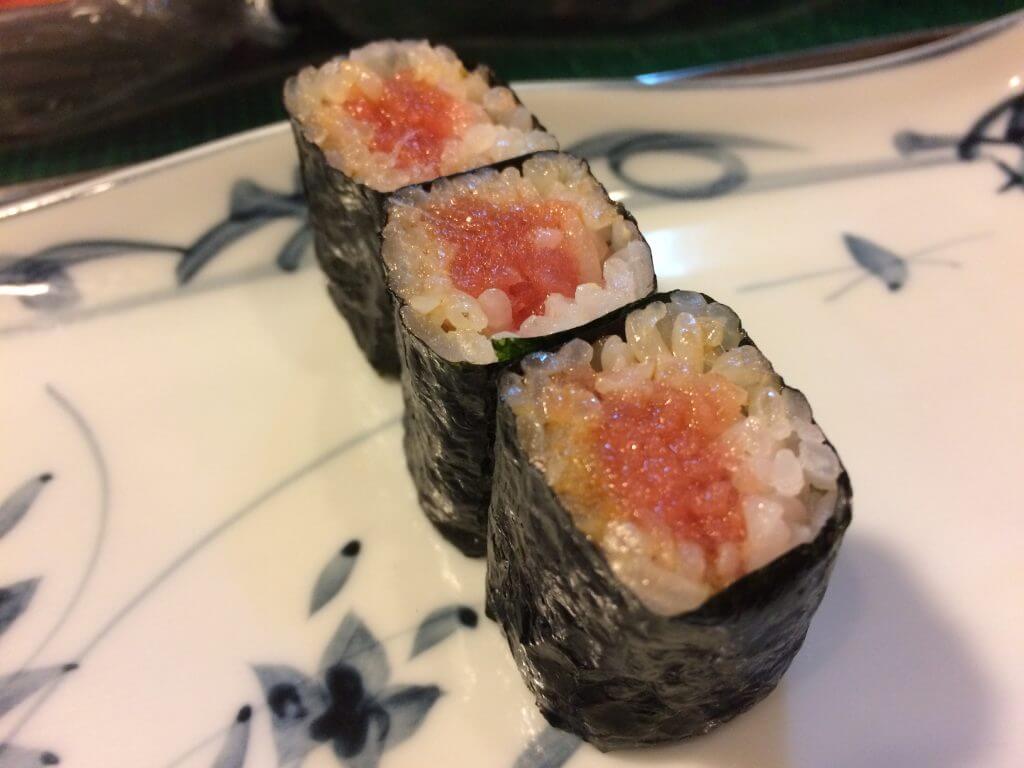 High quality negitoro uses the nakaochi of Pacific bluefin tuna or Southern bluefin tuna. Sometimes the green onion sprout is then rolled up inside. If you have a chance to try negitoro in Japan, we recommend you try the top quality options without a doubt. One piece will probably cost around $15 USD. But that’s the price for the real thing!